Circle Radius Calculator: How to Find the Radius of a Circle
The radius of a circle is the distance from its center to any point on its edge. If you know the diameter, divide it by 2. If you know the circumference, use r = C ÷ (2π). If you know the area, use r = √(A ÷ π).
Quick answer: To calculate a circle’s radius, identify the measurement you have, choose the matching formula, substitute the value, and keep the units consistent. The radius is always half the diameter.
What Is the Radius of a Circle?
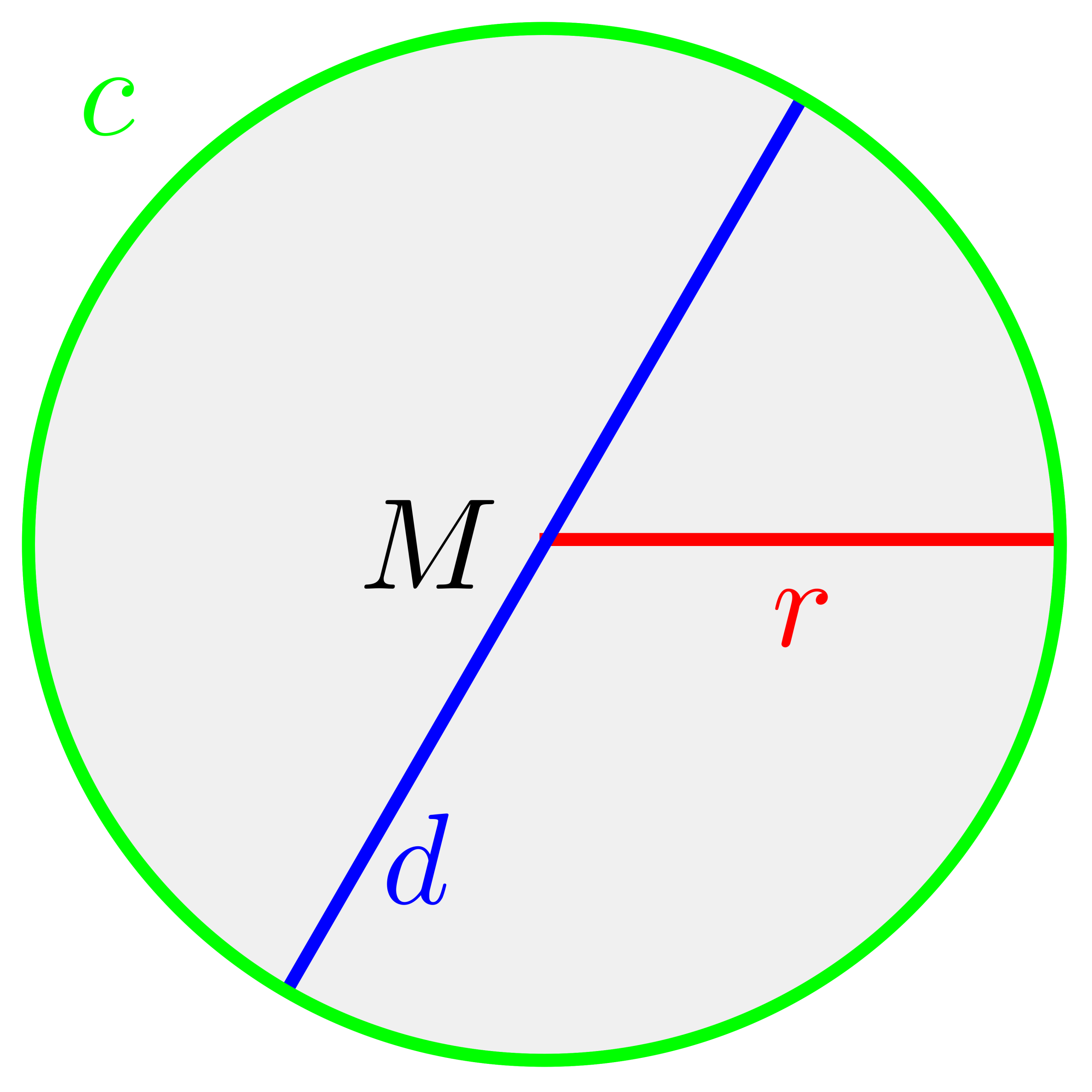
A circle’s radius is a line segment or distance that runs from the center of the circle to its circumference. Every point on the circumference is the same distance from the center, so a circle has one radius length even though it has infinitely many possible radius line segments.
The radius is usually represented by the letter r. It controls the circle’s other basic measurements:
- Diameter (d): the full distance across the circle through its center.
- Circumference (C): the distance around the outside of the circle.
- Area (A): the space enclosed by the circle.
- π (pi): the constant used in circle formulas, approximately 3.14159.
Once you know one measurement, you can calculate the others because these values are connected by the circle radius formulas.
Radius Versus Diameter
The diameter is twice the radius. It passes through the center and connects two points on the circle. The radius reaches from the center to one point on the edge.
The relationship is:
d = 2r
Rearranging the equation gives the radius formula:
r = d ÷ 2
For example, if a circle has a diameter of 18 inches:
r = 18 ÷ 2 = 9 inches
A common mistake is to use the diameter as though it were the radius. If a measurement stretches all the way across the circle, check whether it passes through the center. If it does, it is the diameter and must be divided by 2.
Circle Radius Formulas
Use the formula that matches the information you already have:
- From diameter: r = d ÷ 2
- From circumference: r = C ÷ (2π)
- From area: r = √(A ÷ π)
These formulas return a length, so the radius uses the same unit as the diameter or circumference. When the input is an area, take the square root so the result returns to a length unit.
How to Find Radius From Diameter
Finding the radius from a diameter is the simplest case:
- Write down the diameter.
- Divide it by 2.
- Label the answer with the same length unit.
Example: Diameter of 24 centimeters
Given d = 24 cm:
r = d ÷ 2
r = 24 ÷ 2
r = 12 cm
The radius is 12 centimeters. You can check the result by doubling it: 12 × 2 = 24 cm.
How to Find Radius From Circumference
The circumference formula is:
C = 2πr
To isolate the radius, divide both sides by 2π:
r = C ÷ (2π)
- Measure or identify the circumference.
- Divide the circumference by 2π.
- Round only after the calculation is complete.
Example: Circumference of 31.416 meters
Given C = 31.416 m:
r = 31.416 ÷ (2π)
r ≈ 31.416 ÷ 6.28318
r ≈ 5 m
The radius is approximately 5 meters. The small difference caused by rounding π is normal when a decimal circumference is used.
How to Find Radius From Area
The area formula is:
A = πr²
First divide the area by π, then take the square root:
r = √(A ÷ π)
- Write down the circle’s area.
- Divide the area by π.
- Take the positive square root.
- Use the corresponding length unit, not a squared unit.
Example: Area of 78.54 square inches
Given A = 78.54 in²:
r = √(78.54 ÷ π)
r ≈ √25
r ≈ 5 in
The radius is approximately 5 inches. The input is measured in square inches, but the radius is measured in inches.
How to Use a Circle Radius Calculator
A circle radius calculator is useful when you know one circle measurement but need the radius. The process is the same whether you calculate by hand or use a calculator:
- Choose the known value: diameter, circumference, or area.
- Enter the value with its unit.
- Apply the matching radius formula.
- Review the unit and rounding.
- Check the result by working forward to the known value.
For a diameter, the calculator halves the value. For a circumference, it divides by 2π. For an area, it divides by π and then applies a square root. Do not enter more than one known value into a formula unless the tool specifically asks for it.
Worked Circle Radius Examples
Example 1: Diameter in feet
A circular garden has a diameter of 30 feet.
r = 30 ÷ 2 = 15 feet
Its radius is 15 feet.
Example 2: Circumference in centimeters
A round object has a circumference of 62.832 cm.
r = 62.832 ÷ (2π) ≈ 10 cm
Its radius is approximately 10 centimeters.
Example 3: Area in square meters
A circular floor has an area of 50.265 m².
r = √(50.265 ÷ π) ≈ 4 m
Its radius is approximately 4 meters.
Common Radius Calculation Mistakes
- Using the diameter as the radius: divide a diameter by 2 first.
- Mixing units: convert inches, feet, meters, or centimeters before calculating.
- Forgetting the square root: the area formula requires √(A ÷ π).
- Using a squared unit for radius: area is in square units, but radius is a length.
- Rounding π too early: use the calculator’s π value and round the final result.
- Choosing the wrong type of radius: a geometry radius and a geographic map radius answer different questions.
Mathematical Circle Radius Versus Geographic Map Radius
A mathematical circle radius describes a geometric circle. It measures a straight line from a center to the circle’s edge and uses formulas involving diameter, circumference, and area.
A geographic radius on a map describes a boundary around a location, usually in miles or kilometers. It can help show a fixed straight-line coverage area, but it is not the same as a driving-time or road-distance area.
For a geographic map radius, use the Map Radius Calculator. For instructions on creating a map circle, see How to Draw a Radius Circle on a Map. The map tool uses location coordinates and a distance unit; it does not calculate the area of a mathematical circle from a diameter or circumference.
If your problem involves coordinate points rather than a drawn geometric circle, the distance formula guide explains the appropriate equation. Geographic latitude and longitude may require a great-circle method such as the Haversine formula.
Frequently Asked Questions
What is the easiest radius formula?
If you know the diameter, use r = d ÷ 2. It is the shortest and most direct way to find the radius.
How do I find the radius without the diameter?
Use the circumference or area instead. From circumference, use r = C ÷ (2π). From area, use r = √(A ÷ π).
Is radius half of circumference?
No. Radius is half of the diameter. To find radius from circumference, divide by 2π, not by 2 alone.
Can the radius be negative?
No. A radius is a distance, so its physical value is positive. Algebraic equations may produce a negative intermediate result, but use the positive length for the circle.
Does the radius use square units?
No. A radius is a length, so it uses units such as inches, feet, centimeters, or meters. Area uses the corresponding squared unit.
What is the radius of a circle with area 100?
Assuming the area is 100 square units, use r = √(100 ÷ π), which is approximately 5.64 units.
What is the radius of a circle with circumference 20?
Use r = 20 ÷ (2π), which is approximately 3.18 units.
Summary
The radius of a circle is the distance from its center to its circumference. Use:
- r = d ÷ 2 when you know the diameter;
- r = C ÷ (2π) when you know the circumference;
- r = √(A ÷ π) when you know the area.
Keep the units consistent, take the square root when starting from area, and distinguish a mathematical circle radius from a geographic map radius.